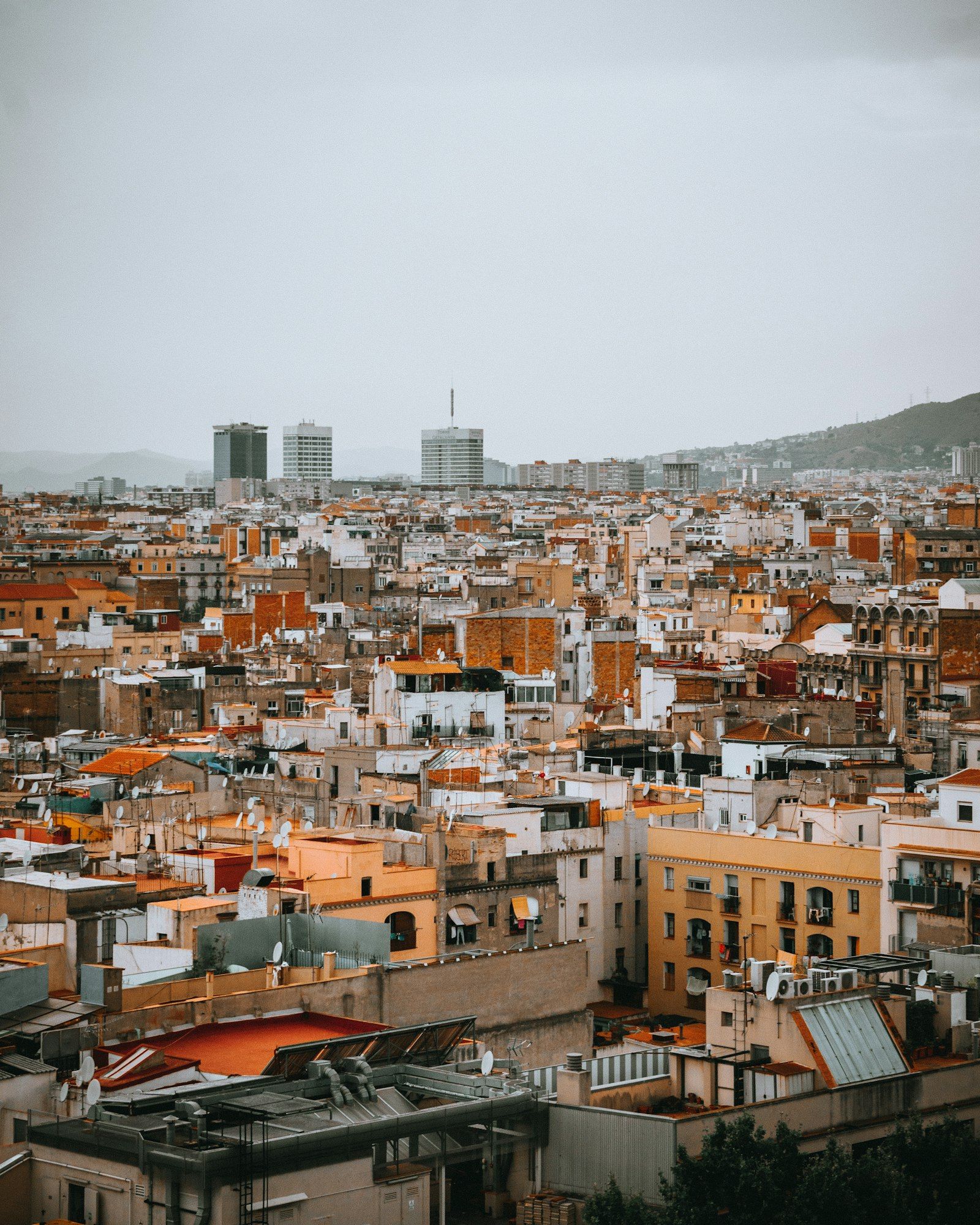
The Barcelona luxury market in 2026
Selling a luxury property in Barcelona in 2026 requires more than listing it online. The high-end market operates by its own rules: international buyers, longer timelines, strict confidentiality, and negotiations that happen across three or four languages simultaneously.
According to data from the Colegio de Registradores, transactions involving properties above €1 million in Catalonia grew 12% in 2025 compared to the prior year, driven primarily by buyers from the United States, the Middle East, Brazil, and Northern Europe.
The most active neighbourhoods for high-value sales:
- Eixample Dret: renovated apartments, rooftop penthouses. Average above €8,000/m².
- Pedralbes and Sarrià-Sant Gervasi: single-family villas, international family profiles. Average €6,000–9,500/m².
- Born and Gòtic: converted lofts and restored historic buildings. Average €7,000–10,000/m².
- Diagonal Mar and Port Vell: second residences, sea views. Investor and rental income profiles.
How long does a luxury property take to sell?
A well-priced property above €1.5 million typically sells within 3 to 8 months. Overpriced or poorly presented properties can sit for 18 months or more — and that time has a real cost: prolonged exposure signals weakness to active buyers and erodes perceived value.
What makes a luxury property sell well
There is a fundamental difference between selling a property and selling it well. Selling it well means reaching the right market price, in a reasonable timeframe, with the right buyer.
Accurate valuation — not aspirational pricing
The most common mistake among high-net-worth sellers is aspirational pricing: setting the price they would like to achieve rather than what the market is prepared to pay. A rigorous valuation analyses recent comparable transactions, assesses the property against active competition, and establishes a realistic negotiation margin.
Accurate valuation protects you from two opposite errors: overpricing — which burns the property in the market — and underpricing — which leaves money on the table.
Photography, video, and presentation
In the luxury segment, photography and floor plans are the international buyer's first filter. Many premium buyers shortlist properties exclusively through images before travelling to Barcelona. A poorly photographed property never makes that shortlist.
Professional photography, drone footage, architectural floor plans, and — for properties above €3 million — virtual 3D tours are not optional: they are the minimum standard that serious buyers expect.
Selective distribution, not mass listing
Publishing on every available portal might seem to maximise exposure, but in the luxury segment it has the opposite effect: it signals urgency and attracts unqualified inquiries. The high-end market responds better to selective distribution — private presentation to pre-qualified buyers, specialist luxury portals, and a trusted network of international advisors.
The sale process step by step
1. Professional valuation
A market-based valuation using real comparable transactions — not automated estimates. The goal is a well-founded figure before any decision is made.
2. Preparation
Before the property reaches the market: staging advice, document review (nota simple, habitation certificate, energy certificate), and definition of pricing and distribution strategy.
3. Market launch
Targeted presentation to pre-qualified buyers. Selective portal placement. Private network activation.
4. Negotiation
Managing offers, counter-offers, and due diligence requests from international buyers — including coordinating legal and financial review in the buyer's language.
5. Notary and completion
Coordination of the arras (deposit contract), final escritura signing at the notary, and post-completion registration.
Tax implications when selling in Barcelona
Understanding your tax position before you list is critical — the tax impact can be material and affects your net outcome significantly.
- Capital gains tax (IRPF): 19–28% on the profit (difference between purchase and sale price, adjusted for improvement costs). Non-residents are taxed at a flat 19%.
- Plusvalía municipal: a local tax on the increase in land value since the purchase date. The amount depends on the municipality and holding period.
- Reinvestment exemption: if you are a Spanish tax resident and reinvest the proceeds in another primary residence, you may be exempt from capital gains tax.
If you are selling as a non-resident, the buyer is legally required to retain 3% of the sale price and pay it to the Spanish tax authority as a withholding.
Why work with a specialist advisor
The difference between a generalist agent and a specialist luxury advisor is not just experience — it is the nature of the relationship. A specialist advisor works for you, not for the buyer.
Jaqueline Weigsding has been advising buyers and sellers in Barcelona, Ibiza, and Girona for over 25 years. She brings a network of pre-qualified international buyers, multilingual negotiation in Spanish, English, Portuguese and French, and full discretion throughout the process.
Every luxury sale is unique. The right strategy depends on the property, the seller's timeline, and the buyer profile. The first step is always a direct conversation to understand your specific situation.
If you are considering selling a luxury property in Barcelona, [contact us](/en/contact) for a confidential, no-obligation valuation. You can also explore our [current listings](/en/properties) to understand the active market.